
Commercial Refrigeration and Walk-In Repair in Pflugerville, TX
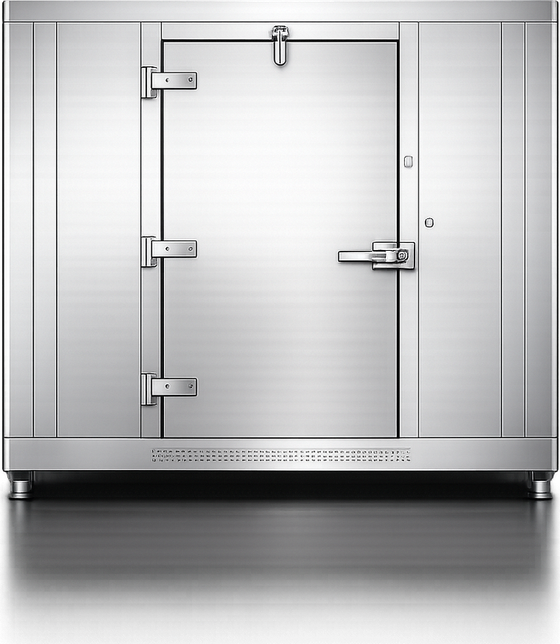
Pflugerville kitchens are concentrated along Pecan Street, FM 685 and the Stone Hill retail centers, and most of the refrigeration there is self-contained equipment sitting in a hot line or a walk-in with its condenser on a flat roof. Both have a Texas summer problem: equipment rated for ninety degree ambient spends months well above it.
Common Commercial Refrigeration Problems in Pflugerville
A walk-in that climbs through the lunch rush and recovers overnight
That pattern is a capacity problem rather than a failure. A dirty condenser, a low charge or a fan that has stopped will all hold temperature at two in the morning and lose it when the door is opening every few minutes and hot product is going in. The useful measurement is taken during service, not before the doors open, which is why a morning check often finds nothing wrong.
Ice building on the evaporator coil
A freezer that ices up is usually a defrost problem: the defrost heater, the termination thermostat, the timer or the defrost control. A cooler that ices up is usually airflow or a door that is not sealing. Chipping ice off and moving on means it is back within the week, so the defrost cycle gets tested rather than assumed.
The condensing unit on the roof short cycling
Starting and stopping every few minutes means the compressor is being protected from something: high head pressure from a dirty or blocked condenser, a failing start component, low refrigerant, or a control calling incorrectly. Short cycling is the fastest way to lose a compressor, so it gets diagnosed the same day rather than reset and watched.
Water on the floor in front of the box
A blocked or frozen condensate drain line, a cracked drain pan, or a door gasket letting humid air in so the unit makes far more condensate than it was designed for. Water in a kitchen is a slip hazard and a health inspection problem, and the drain line is the first thing to check because it is also the cheapest.
Product freezing in a cooler that is set correctly
A sensor reading low, a controller out of calibration, or an evaporator fan blowing directly on product. Lettuce freezing in a walk-in that reads thirty eight degrees is almost always a probe placement or calibration issue rather than the system running too cold.
Prep rails and sandwich units that will not hold food-safe temperature
Prep tables run a small coil in a very demanding place: lids opening constantly, hot kitchen air, product stacked above the fill line. Most of the calls are airflow, a dirty condenser underneath or an overloaded pan arrangement rather than a sealed system fault, and those are quick to correct once identified.
A display case fogging or losing its product line
Air curtains on open merchandisers only work if nothing blocks the return, product stays below the load line and the room air is not blowing across the opening. In a convenience store that means checking the layout as well as the equipment, since a case can be working perfectly and still lose temperature because of what is in front of it.
Doors, gaskets and closers that stopped doing their job
The cheapest repair on the list and the one most often skipped. A gasket that no longer seals or a closer that leaves the door ajar costs more in compressor runtime and iced coils over a year than the part did. On a walk-in it also loads the floor with ice and makes the box dangerous to walk into.
Commercial Refrigeration We Service in Pflugerville
Walk-in coolers and freezers, reach-ins, refrigerated prep tables and sandwich rails, display and merchandiser cases, undercounter and back-bar coolers, and both self-contained and remote condensing units. Common brands include True, Turbo Air, Traulsen, Beverage-Air, Continental, Delfield, Hoshizaki, Norlake, Bohn, Heatcraft and Copeland.
We are EPA Section 608 Universal certified and insured, and we carry a certificate of insurance for property managers and landlords who require one before work starts.
Who We Work For in Pflugerville
Restaurants and fast casual along Pecan Street and FM 685, convenience stores and gas stations near the SH 130 and Toll 45 interchanges, the retail and food tenants at Stone Hill Town Center, school and daycare kitchens, gyms, bars and event venues.
The commercial diagnostic is one hundred forty nine dollars and it is credited toward the repair once the work is approved. Downtime is the real cost on a walk-in, so we tell you up front what can be stabilized today and what needs a part ordered.
Common Questions About Commercial Refrigeration Repair in Pflugerville
How fast can you get out for a walk-in that is losing temperature?
Same day when the schedule allows, and a walk-in going warm goes to the front of the list over routine work. Call rather than book online for that one so we can talk through what is happening while you move product.
How often should the condenser be cleaned?
Every three months in Central Texas, and monthly for a condenser in a kitchen or anywhere with grease in the air. A dirty condenser is behind a large share of the summer calls we take, and cleaning one is far cheaper than the compressor it protects.
Do you work on remote racks and rooftop condensing units?
Yes, including rooftop condensers and line sets. Access and safety come first, so tell us when we book if the roof needs a ladder, a hatch key or building management notification.
Can you provide a certificate of insurance for our landlord?
Yes. We carry general liability and can have a COI issued to the property manager or landlord before the first visit. Tell us who it needs to be addressed to.
Should I repair a ten-year-old reach-in or replace it?
It depends on what failed. Fans, controls, gaskets and defrost components are worth repairing at almost any age. A failed compressor on an older self-contained unit is where we will give you both numbers and let you decide rather than pushing one way.
Book Commercial Refrigeration Service in Pflugerville
Tell us what the box is reading, what it is set to, and whether it is icing or just warm, and we can usually tell you over the phone how urgent it is. Call (737) 388-3867. The one hundred forty nine dollar commercial diagnostic is credited toward the repair.
Commercial Refrigeration and Walk-In Repair in Pflugerville, TX
-

What We Service
- Walk-in coolers and freezers
- Reach-in refrigerators and freezers
- Refrigerated prep tables and sandwich rails
- Display and merchandiser cases
- Undercounter and back-bar coolers
- Remote condensing units on the roof
- Self-contained condensing units
-
Typical Calls
- Box temperature climbing through service
- Freezing up and icing on the evaporator
- Compressor short cycling
- Water on the floor and blocked drain lines
- Doors, gaskets, hinges and closers
- Temperature alarms and controller faults

Commercial Refrigeration Brands We Service in Pflugerville
If your brand is not listed, contact us — we likely service it.
Why Homeowners & Businesses Choose TakiDA
-
 Quality WorkWe deliver professional appliance repair with attention to detail, proper diagnostics, and long-lasting results you can rely on.
-
 OEM / High-Quality PartsWe use OEM or high-quality replacement parts to ensure correct operation, reliability, and extended appliance lifespan.
-
 Same-Day / Next-Day ServiceFast response with same-day or next-day service to reduce downtime and get your appliances back in working order quickly.
-
 Clear PricingUpfront estimates with transparent pricing. No hidden fees, no surprises — you know the cost before work begins.
-
 EPA Certified & InsuredEPA Section 608 Universal certified and fully insured for residential and commercial repair, giving you peace of mind and protection.
-
 Warranty on Labor & PartsAll repairs are backed by a warranty on labor and installed parts for added confidence and long-term reliability.
