
Microwave Repair in Lakeway, TX
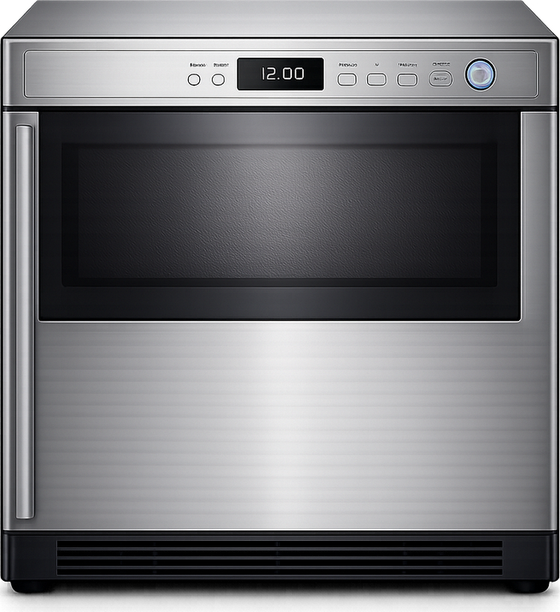
A countertop microwave that quits is a trip to the store. A built-in one is not. Most Lakeway kitchens run the microwave as part of the cabinetry: a trim-kit unit in a tall cabinet, a drawer model in the island, or half of a wall oven and microwave tower. Those are sized to an opening, matched to a finish, and often part of a discontinued model line, so replacing one can mean replacing the pair or reworking the cabinet. That changes the math completely and it is why we repair far more built-in microwaves in Lakeway than we tell people to replace. We service built-in, over-the-range, drawer and countertop units.
Common microwave problems we fix in Lakeway
Runs but does not heat
The turntable spins, the light is on, the fan runs, and the food comes out cold. That is a high-voltage fault: the magnetron, the high-voltage diode, the capacitor or the transformer. This is the one microwave repair that is genuinely dangerous to attempt at home, because the capacitor holds a lethal charge even after the unit is unplugged. We discharge it properly and test each part in the circuit instead of replacing the magnetron on principle, since a failed diode is far cheaper and produces the same symptom.
Sparking or arcing inside
Arcing is usually the waveguide cover, a small mica panel on the cavity wall that absorbs food splatter until it chars and starts to arc. It is an inexpensive part and a quick fix, but it should not be ignored, because continued arcing damages the cavity and can take the magnetron with it. The other causes are a chipped cavity coating with rust underneath, or something metallic in the oven, including the decorative trim on a plate.
Door will not latch, or the unit stops when the door is closed
Microwaves use three interlock switches in series to make sure the unit cannot run with the door open. A single failed switch kills the whole machine, and sometimes takes a fuse with it. On a drawer microwave the mechanism is more involved, since the drawer has a motorized open and close cycle with its own sensors. Drawer units in Lakeway islands get a lot of use and the latch assembly is the part that wears.
Turntable will not turn
Either the small drive motor under the cavity floor has failed, the coupler has stripped, or the roller ring is broken. All three are inexpensive. Worth checking first: the turntable is off in some settings by design, and a plate that is too large for the cavity will bind against the wall and stop the ring from moving.
Touchpad or display dead or unresponsive
A blank display with no response usually means the control board or the membrane touchpad. The membrane is a flat layer behind the panel, and it fails from heat and from grease working under the edge, common on an over-the-range unit that sits directly above a cooktop. Partially working keypads, where some buttons respond and others do not, are almost always the membrane rather than the board.
Fan runs constantly or will not shut off
On an over-the-range microwave, the exhaust fan often runs automatically when the unit above the cooktop gets hot. A fan that will not stop usually means the thermostat that triggers it has failed closed, or the unit is genuinely overheating because the duct is blocked. We check the duct before we replace the thermostat, because a blocked duct will cook the next one too.
Over-the-range unit that no longer vents
Many Lakeway over-the-range microwaves vent out through the roof, and that duct is long. Grease collects in it, the roof damper sticks, and the blower slows. The other thing we find often is a unit installed in recirculating mode, blowing filtered air back into the room through the top vents, when the owner assumed it vented outside. Switching a unit from recirculating to ducted requires the blower to be rotated and the charcoal filter removed, and if that was never done the microwave was never venting at all.
Blown fuse right after a repair or a power event
A microwave that blows its line fuse as soon as it is plugged in has a short somewhere in the high-voltage circuit, most often a failed capacitor or diode. Replacing the fuse alone just blows another one. After a storm or a power flicker, which Lakeway gets its share of, we also check the control board for surge damage, since the board and the fuse can fail together.
Built-in units change the repair-or-replace answer
With a countertop microwave the calculation is simple: if the repair costs much, replace it. With a built-in it is the opposite. A trim-kit microwave is sized to a specific cabinet opening, and the matching trim kit is model-specific. A microwave and wall oven combination is a single appliance, so a dead microwave half can mean buying the whole tower. A drawer unit is cut into the island. In all three cases a repair that would be marginal on a countertop model is clearly worth doing, and we have replaced magnetrons and control boards on built-in units that still had a decade of life in them. We will tell you the parts cost up front so you can weigh it against what replacing the installation would actually involve.
Over-the-range venting in Lakeway kitchens
An over-the-range microwave is two appliances in one housing: a microwave and a range hood. The hood half is the one that fails quietly. We routinely find units whose grease filters have not been washed in years, charcoal filters in units that are actually ducted outside, and roof dampers that have rusted shut. If your over-the-range unit has become loud, or steam from the cooktop now fogs the cabinets, that is the vent side and it is usually serviceable. A microwave hood is also substantially weaker than a real hood, so if your kitchen has a serious cooktop under one, it is worth knowing the limit rather than assuming the appliance is broken.
Safety and what we will not do
A microwave is the one kitchen appliance we ask people not to open. The high-voltage capacitor stores enough energy to be lethal after the unit has been unplugged for days, and the discharge procedure is specific. We also will not repair a unit with a damaged door seal, a bent door, or a cavity with rust through the coating, because those affect whether the microwave energy stays inside. If we find one of those we will tell you the unit needs replacing and why, even when the fault you called about is something small and fixable.
Microwave repair questions from Lakeway customers
Is it worth repairing a microwave?
For a countertop unit, often not. For a built-in, a drawer, or half of a wall oven combination, almost always yes, because the replacement is a cabinetry and matching problem rather than an appliance purchase. We tell you the parts cost before you decide.
It runs but does not heat. Can I fix that myself?
We would strongly advise against it. The fault is in the high-voltage circuit, and the capacitor in there holds a dangerous charge even unplugged. This is the one appliance repair where the risk is immediate and serious.
There are sparks inside when it runs
Stop using it. Usually it is the waveguide cover, a small inexpensive panel that has charred from food splatter. It is a quick repair, but continued arcing will damage the cavity and the magnetron, so it is worth doing now rather than later.
Our over-the-range microwave does not seem to vent outside
It may be set up in recirculating mode. Converting a unit to vent outside involves rotating the blower and removing the charcoal filter, and if that was skipped at installation the microwave has been filtering air back into the kitchen the whole time. We can check and correct it.
What does microwave repair cost in Lakeway?
The diagnostic is $99 and it is credited toward the repair when you approve it. Door switches, waveguide covers and turntable motors are inexpensive; magnetrons and control boards are not. You get a written estimate with parts, labor and tax before any work starts, and for a built-in unit we will give you an honest view of whether the repair makes sense against the installation it sits in.
Book Microwave Repair in Lakeway
Tell us the brand and whether the unit is built in, over the range, a drawer or a countertop model. We serve Lakeway, Bee Cave, Lago Vista, Leander, Lakeway and the surrounding Hill Country, with same-day appointments when the schedule allows.
Microwave Repair in Lakeway, TX
-

What we fix
- Runs but does not heat the food
- Turntable will not turn
- Door will not latch or the unit stops when closed
- Sparking or arcing inside the cavity
- Touchpad or display dead or unresponsive
- Fan runs constantly or will not run
- Over-the-range unit that no longer vents
-
Lakeway specifics
- Built-in and trim-kit units sized to the cabinet opening
- Microwave drawers in islands and butler pantries
- Wall oven and microwave combination towers
- Over-the-range units venting into a long roof duct
- Recirculating units in open-plan kitchens with no outside duct
- Second units in outdoor kitchens and pool houses

Microwave Brands We Service in Lakeway
If your brand is not listed, contact us — we likely service it.
We repair all major residential appliance brands across Central Texas, including Whirlpool, GE, Samsung, LG, Maytag, Frigidaire, KitchenAid, Amana, Bosch, Electrolux, Hotpoint, Kenmore, Haier, Fisher & Paykel, Sub-Zero, Wolf, Viking, Thermador, JennAir, Dacor, U-Line, Marvel, Miele, and GE Monogram.
Why Homeowners & Businesses Choose TakiDA
-
 Quality WorkWe deliver professional appliance repair with attention to detail, proper diagnostics, and long-lasting results you can rely on.
-
 OEM / High-Quality PartsWe use OEM or high-quality replacement parts to ensure correct operation, reliability, and extended appliance lifespan.
-
 Same-Day / Next-Day ServiceFast response with same-day or next-day service to reduce downtime and get your appliances back in working order quickly.
-
 Clear PricingUpfront estimates with transparent pricing. No hidden fees, no surprises — you know the cost before work begins.
-
 EPA Certified & InsuredEPA Section 608 Universal certified and fully insured for residential and commercial repair, giving you peace of mind and protection.
-
 Warranty on Labor & PartsAll repairs are backed by a warranty on labor and installed parts for added confidence and long-term reliability.
