
Dryer Repair in Bee Cave, TX
Laundry rooms in Bee Cave homes are usually well inside the floor plan rather than against an exterior wall, which means a long vent run with several bends before it reaches daylight. That run is the reason most dryers here slow down, and it is also the reason the thermal fuse keeps opening on the ones that have been ignored.
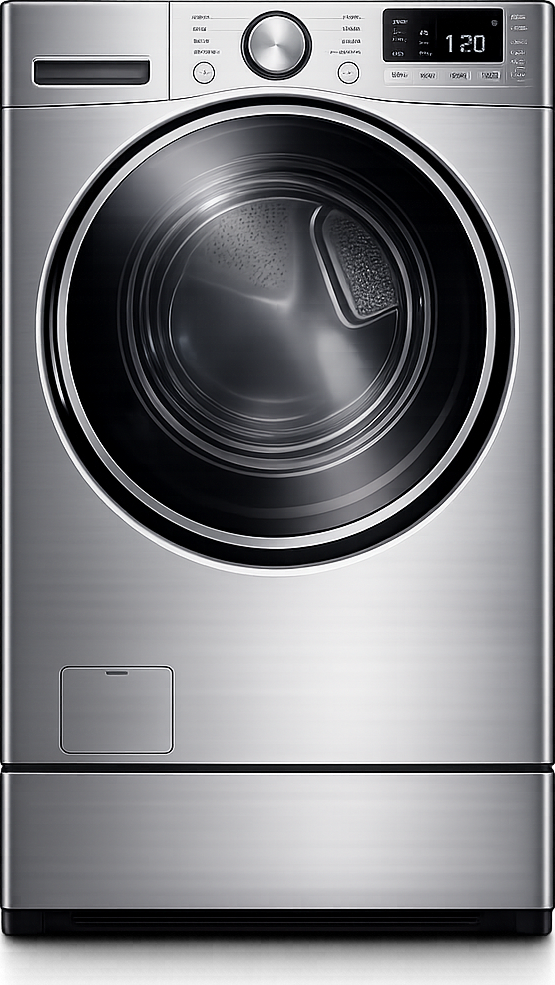
Common Dryer Problems in Bee Cave Homes
A load that now needs two or three cycles
Airflow, nearly every time. Lint in a long interior duct run, a crushed section behind the machine, or a roof or wall cap that has closed up. The dryer heats correctly and the moisture has nowhere to go. The honest test is how much air actually comes out of the exterior cap with the dryer running, not how hot the drum feels.
No heat at all on a gas dryer
Igniter, flame sensor, gas valve coils or an open thermal fuse. The fuse matters: it opens because the machine overheated, and overheating comes from restricted airflow. Replacing it without clearing the vent means the same call again in a few weeks.
No heat on an electric dryer
Heating element, thermal cutoff, high limit, or one leg of the 240-volt supply lost. A dryer that tumbles normally but never warms is often a half-tripped breaker rather than anything inside the machine, which is why both legs get measured.
Heats at the start and quits partway through
The cycling thermostat or a thermistor reading out of range, and behind both of those, airflow again. Intermittent heat is the symptom most often misdiagnosed, because when anyone looks at the machine it is working.
Drum not turning
Belt, idler pulley, drum rollers or the motor. A belt usually gives warning by slipping under a heavy load before it breaks. Replacing a belt is routine; replacing a belt on a dryer whose rollers are flat means doing it again next year, so both get checked together.
Rumbling, squealing or a regular thump
Worn drum rollers give the rumble, a dry idler gives the squeal, and a thump is usually something in the drum or a seam that has let go. With laundry rooms this close to living space, noise is often what prompts the call rather than performance.
A heat pump or condensing dryer that is drying slowly
These do not vent outside; they condense moisture and drain it. When they slow down it is the condenser unit, the lint filters, or a drain line or pump that has blocked. The maintenance is different from a vented dryer and it is routinely skipped because nobody knew it existed.
Lint building where it should not
A filter that is not seating properly, lint in the blower housing, or a duct that has been pushing lint back into the room. In a house where the laundry is inside the conditioned envelope, that lint ends up in living space, and the vent is also a fire issue rather than a housekeeping one.
Dryers We Repair in Bee Cave
Gas and electric dryers, stacked washer and dryer units, heat pump and condensing dryers, compact and European models, and units on pedestals. Common brands include LG, Samsung, Whirlpool, Maytag, GE, Bosch, Electrolux, Speed Queen, Miele and Asko.
We check the vent run as part of the call rather than treating it as a separate issue, because on most of these the vent is the fault.
What Dryer Repair Costs in Bee Cave
The diagnostic is ninety nine dollars for a residential call and it is credited toward the repair once you approve the work. Igniters, elements, thermostats, fuses, belts, rollers and blower wheels are routine parts. We do not clean ducts, and when the duct is the real problem we will say so and tell you what to have done rather than selling you a part that will not help.
On European and heat pump machines some parts are brand-specific and ordered, and we will give you the lead time before you commit.
Neighborhoods We Cover in Bee Cave
Spanish Oaks, Falconhead, Lake Pointe, Uplands, Homestead, Ladera, Bella Colinas, Sweetwater, Rough Hollow nearby, and the homes along Bee Cave Road and Highway 71.
Common Questions About Dryer Repair in Bee Cave
How often should the dryer vent be cleaned?
Annually, and more often with a long interior run or a large household. It is the highest-value maintenance item on a dryer, for drying time, for the machine and for fire risk.
Does flexible foil duct matter?
Yes. Ribbed flexible duct traps lint and crushes behind the machine. Rigid or semi-rigid metal with as few bends as possible is what the manufacturers specify, and it makes a measurable difference on a long run.
Why does the thermal fuse keep blowing?
Because it is doing its job. The machine is overheating, and the overheating is restricted airflow. A repair that replaces only the fuse has not found the fault.
Is a heat pump dryer worth repairing?
Usually, yes. They are expensive to replace and most faults are filters, drains, pumps or sensors rather than the sealed system. They do need their own maintenance routine, which we will walk you through.
Do you work on Miele and Asko dryers?
Yes. Give us the model and serial when you book so parts availability and lead time can be checked before the visit.
Book Dryer Repair in Bee Cave
Tell us the brand, whether it is gas or electric, and whether the problem is no heat or simply slow, and we can usually narrow it down before we arrive. Call (737) 388-3867 or book online. The ninety nine dollar diagnostic is credited toward the repair.
Dryer Repair in Bee Cave, TX
-

What We Repair
- Takes two or three cycles to dry
- No heat at all
- Heats then quits mid-cycle
- Drum not turning
- Loud rumbling, squealing or thumping
- Thermal fuses and high limits
- Error codes and control faults
-
Dryers We Service
- Gas and electric dryers
- Stacked washer and dryer units
- Heat pump and condensing dryers
- Compact and European models
- Units on pedestals
- All major and premium brands

Dryer Brands We Service in Bee Cave
If your brand is not listed, contact us — we likely service it.
We repair all major residential appliance brands across Central Texas, including Whirlpool, GE, Samsung, LG, Maytag, Frigidaire, KitchenAid, Amana, Bosch, Electrolux, Hotpoint, Kenmore, Haier, Fisher & Paykel, Sub-Zero, Wolf, Viking, Thermador, JennAir, Dacor, U-Line, Marvel, Miele, and GE Monogram.
Why Homeowners & Businesses Choose TakiDA
-
 Quality WorkWe deliver professional appliance repair with attention to detail, proper diagnostics, and long-lasting results you can rely on.
-
 OEM / High-Quality PartsWe use OEM or high-quality replacement parts to ensure correct operation, reliability, and extended appliance lifespan.
-
 Same-Day / Next-Day ServiceFast response with same-day or next-day service to reduce downtime and get your appliances back in working order quickly.
-
 Clear PricingUpfront estimates with transparent pricing. No hidden fees, no surprises — you know the cost before work begins.
-
 EPA Certified & InsuredEPA Section 608 Universal certified and fully insured for residential and commercial repair, giving you peace of mind and protection.
-
 Warranty on Labor & PartsAll repairs are backed by a warranty on labor and installed parts for added confidence and long-term reliability.
