
Dishwasher Repair in Lakeway, TX
Water is the story with dishwashers in Lakeway. The supply out here is hard, and hard water leaves scale on the heating element, inside the spray arms and on the sensors the machine relies on to judge how dirty the load is. Some houses have a softener and some do not, and a softener that has been bypassed or run dry puts a dishwasher right back into hard water without the owner realizing. On top of that, a lot of Lakeway kitchens run panel-ready or fully integrated machines hidden behind a cabinet front, plus a second unit in a bar or butler pantry that only gets used when people come over. We repair all of them: freestanding, panel-ready, drawer units and 18-inch bar models.
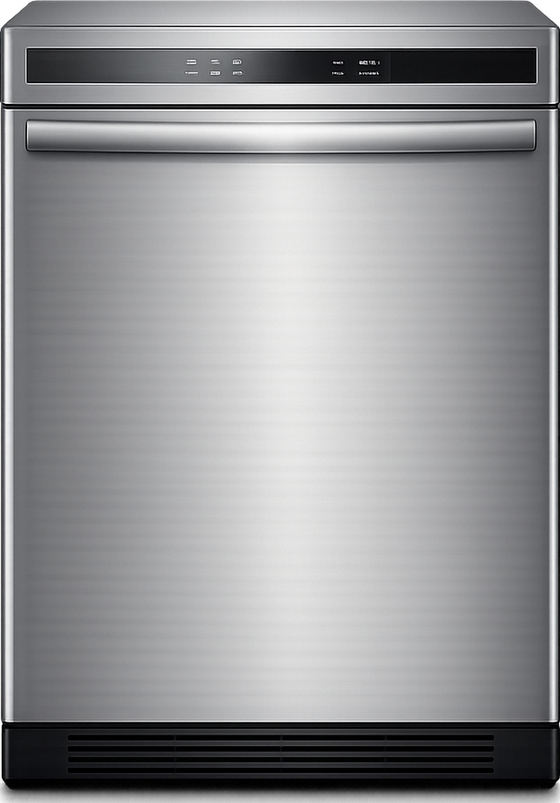
Common dishwasher problems we fix in Lakeway
Dishes come out cloudy or covered in white film
This is the number one dishwasher complaint in Lakeway and it is not always a broken machine. Hard water deposits minerals on glass, and if the machine is not getting hot enough or the rinse aid is empty, that film stays. The question we answer on site is whether the water is simply hard or whether the dishwasher has stopped heating. We check the water temperature reaching the machine and the heating element draw, because a dishwasher that cannot heat will never clear a film no matter how much detergent you add. If the element is good and the water is hot, the fix is water treatment and rinse aid, not a part, and we will say so.
Dishes still dirty, especially on the top rack
Poor cleaning on the upper rack usually means water is not reaching it. Scale clogs the small jets in the spray arms first, and the upper arm has the smallest holes. A worn or disconnected upper spray arm feed tube does the same thing. Beyond that, a weak wash pump or a chopped-up chopper blade leaves food debris circulating. We run a short cycle and watch pressure at each arm rather than guessing, because a clogged arm and a weak pump feel identical from outside the door.
Water standing in the bottom after the cycle
An inch or two of water left in the sump is normal on some models and a fault on others. When it is a fault the usual causes, in the order we check them, are a clogged filter and sump, a blocked drain hose, a drain pump with debris in the impeller, or a check valve stuck open so water flows back in. In Lakeway we also check one thing specific to kitchens remodeled over the years: if the dishwasher drains into a new garbage disposal, the factory knockout plug inside the disposal inlet has to be removed. If the installer left it in, the dishwasher cannot drain at all, and no part on the dishwasher will fix that.
Dishwasher will not drain
A machine that ends its cycle full of water is telling you the drain path is blocked somewhere. We work from the sump outward: filter, sump screen, drain pump impeller, drain hose, high loop or air gap, then the disposal connection. The high loop matters more than people think. If the drain hose was never routed up under the counter, dirty sink water can siphon back into the dishwasher, which smells bad and leaves residue on everything.
Leaking from the door or from underneath
Door leaks are usually the door gasket, which hardens and shrinks with age, or a door that has dropped out of alignment because a spring or cable has failed on one side. Leaks from underneath are a different problem and usually mean the wash pump seal, a cracked sump, or a loose hose clamp. Under a panel-ready unit in Lakeway cabinetry this matters a lot, because the water runs under the cabinet and into the subfloor before anyone sees a drop on the kitchen floor. If you have found a swollen toe kick or a stain at the base of a cabinet, tell us when you call.
Will not start or stops part way through
A dead dishwasher is usually the door latch switch, the thermal fuse on the control board, or the board itself. A machine that starts and stops partway is more often a heating or sensing fault: the cycle waits for a temperature it never reaches, then times out. We separate the two by reading the fault history from the control and then confirming with a measurement, because the error code narrows it down but does not by itself prove which part failed.
Will not fill or fills very slowly
The water inlet valve has a screen on the inlet side that catches sediment, and on hard water it also scales up. A valve that opens but passes almost nothing gives you a long cycle with dirty dishes. The other cause is a float switch stuck up by debris, which tells the machine it is already full. Both are quick to check and both are cheap compared to the pump and control parts people usually assume are at fault.
Error codes and a blinking panel
Most modern dishwashers show a fault code or a pattern of blinking lights. The code points at a circuit, not at a part. A drain fault code, for example, can be a blocked filter, a failed pump or a wiring break, and all three show the same code. We read the code, then test the circuit it names. Bring us the code when you call and it shortens the visit.
Hard water is the background to most Lakeway dishwasher calls
Water in this part of the Hill Country carries a lot of calcium. Every wash cycle leaves a little behind, and over a few years it builds a crust on the heating element, narrows the spray arm jets, and coats the turbidity sensor so the machine misreads how dirty the load is. The machine does not break suddenly, it just gets worse, which is why most owners cannot say when the problem started. If your house has a softener, the first thing we check is whether it is actually working and whether the loop feeds the kitchen. We see softeners out of salt, softeners in bypass after a service visit, and loops that were plumbed to the bathrooms but not the kitchen line. Fixing that does more for a dishwasher than most parts do.
Panel-ready and integrated units
A panel-ready dishwasher wears a cabinet front that matches the kitchen, and a fully integrated one hides its controls on the top edge of the door. They are the same machine underneath, but servicing them takes more care because the custom panel and the surrounding cabinetry are expensive to damage. We remove and refit panels properly, and we check the door spring tension afterward, since a heavy custom panel changes how the door balances and a door that slams is a door that will fail its hinges early. If your unit has been dropping open hard, that is a tension adjustment and worth doing while we are there.
Second kitchens, bars and houses that sit empty
Plenty of Lakeway homes have a bar dishwasher or a drawer unit in a butler pantry or outdoor kitchen that runs a handful of times a year. Those develop a different set of problems: dried-out door gaskets, a stale trap that smells, and seals that have not been wet long enough to stay pliable. The same is true for a main dishwasher in a house used on weekends. If a machine has been sitting, run it empty on a hot cycle before you decide something is broken. If the smell or the leak is still there afterward, that is a real fault and worth a visit.
Dishwasher repair questions from Lakeway customers
Is the film on my glasses the dishwasher or the water?
Both are possible and they look identical. If the machine is heating properly and the rinse aid is full, it is the water, and no repair will change that. If the water in the machine is not getting hot enough, the film is a symptom of a heating fault. We measure rather than guess, and we tell you which one you have before you spend money.
My new disposal was installed and now the dishwasher will not drain
Almost certainly the knockout plug. A new garbage disposal ships with a plug in the dishwasher inlet that has to be punched out during installation. If it was missed, the dishwasher has nowhere to send its water. It is a five-minute fix and it is not a fault with your dishwasher.
Can you work on a panel-ready dishwasher without damaging the cabinet front?
Yes. We remove and refit the panel as part of the job and we check the door balance afterward, because a custom panel changes the weight the door springs have to hold.
The dishwasher smells even when it is clean
Usually the filter, the sump or a drain hose that was never looped high enough under the counter, which lets sink water siphon back. In a house that sits empty between visits it can also just be a dry trap. We clean the filter and sump, check the hose routing, and tell you which of those it was.
What does dishwasher repair cost in Lakeway?
The diagnostic is $99 and it is credited toward the repair when you approve it. We do not quote a repair over the phone, because the same symptom can be a free adjustment or a pump replacement. After diagnosis you get a written estimate with parts, labor and tax before any work begins.
Book Dishwasher Repair in Lakeway
Tell us the brand, whether the unit is freestanding or panel-ready, and any error code on the display. We serve Lakeway, Bee Cave, Lago Vista, Leander, Lakeway and the surrounding Hill Country, with same-day appointments when the schedule allows.
Dishwasher Repair in Lakeway, TX
-

What we fix
- Dishes come out cloudy, gritty or still dirty
- Standing water left in the bottom
- Dishwasher will not drain
- Leaks from the door or under the unit
- Will not start or stops mid cycle
- Will not fill or fills slowly
- Error codes and a flashing control panel
-
Lakeway specifics
- Hard water scale on the heater, spray arms and sensors
- Panel-ready and integrated units behind cabinet fronts
- Softener loops that are bypassed or out of salt
- Drain lines tied to a disposal with the knockout plug still in
- Second kitchens, bars and outdoor kitchen drawer units
- Houses that sit empty, letting seals dry out and the trap go stale

Dishwasher Brands We Service in Lakeway
If your brand is not listed, contact us — we likely service it.
We repair all major residential appliance brands across Central Texas, including Whirlpool, GE, Samsung, LG, Maytag, Frigidaire, KitchenAid, Amana, Bosch, Electrolux, Hotpoint, Kenmore, Haier, Fisher & Paykel, Sub-Zero, Wolf, Viking, Thermador, JennAir, Dacor, U-Line, Marvel, Miele, and GE Monogram.
Why Homeowners & Businesses Choose TakiDA
-
 Quality WorkWe deliver professional appliance repair with attention to detail, proper diagnostics, and long-lasting results you can rely on.
-
 OEM / High-Quality PartsWe use OEM or high-quality replacement parts to ensure correct operation, reliability, and extended appliance lifespan.
-
 Same-Day / Next-Day ServiceFast response with same-day or next-day service to reduce downtime and get your appliances back in working order quickly.
-
 Clear PricingUpfront estimates with transparent pricing. No hidden fees, no surprises — you know the cost before work begins.
-
 EPA Certified & InsuredEPA Section 608 Universal certified and fully insured for residential and commercial repair, giving you peace of mind and protection.
-
 Warranty on Labor & PartsAll repairs are backed by a warranty on labor and installed parts for added confidence and long-term reliability.
