
Dishwasher Repair in Liberty Hill, TX
Dishwasher calls in Liberty Hill divide neatly. In the new subdivisions it is usually a recent appliance in a large house where the hot water has a long way to travel and the install was rushed. On well water it is mineral, sediment and results that have slowly got worse. Both arrive as the same sentence: the dishwasher is not cleaning like it used to.
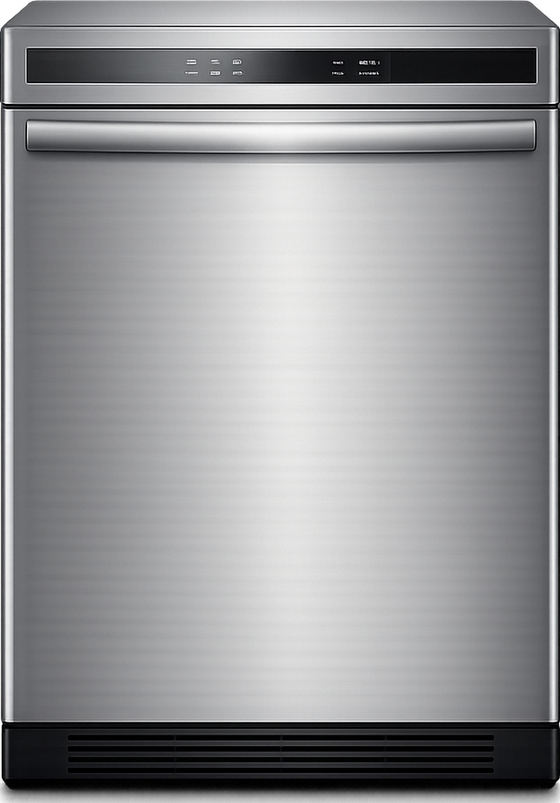
Common Dishwasher Problems in Liberty Hill Homes
Film or spotting on glasses that will not wash off
Two different complaints. Grit means food is being redeposited, which points at the filter, blocked spray arm jets, or a weak wash pump. A white haze is mineral film, and on hard or well water it builds fast, especially with an empty or blocked rinse aid dispenser. If vinegar wipes the haze away it is water chemistry. If it does not, the glass has etched and no repair will reverse that.
Standing water left in the bottom of the tub
A little water in the sump is normal. A couple of inches is not. The list is the filter and sump, the drain hose high loop, a check valve that is not sealing, and the drain pump. On a dishwasher plumbed into a disposal, a partly blocked disposal inlet produces exactly the same symptom, so the whole drain path gets inspected rather than just the pump.
A cycle that runs for hours and never finishes
Dishwashers hold the cycle until the water reaches temperature. In a large newer house where the kitchen is a long way from the water heater, the machine spends a long time waiting on hot water that has not arrived yet. A failed heating element or sensor does the same thing. Measuring the incoming temperature and the element separates the house from the appliance.
A door leaking down the front of the cabinet
The gasket takes a set over the years, the door drops out of adjustment, and on stainless front units the hinge springs stretch. Water running down the inside of the door and out at the bottom is usually the vent or the seal rather than the tub. Worth catching early, because what the water reaches first is the cabinet floor and, in a lot of these houses, engineered wood.
A soap cup still full at the end of the wash
If the detergent never left the cup, the wash happened in plain water. The latch can be fouled with hardened detergent, the wax motor or solenoid that opens it can fail, or a tall item in the lower rack is simply blocking the door. The free causes get eliminated before the dispenser assembly is replaced.
A new install that has never drained properly
In a new build or after a disposal replacement, the knockout plug inside the disposal inlet has to be removed before the dishwasher drain is connected. Left in place, the dishwasher pumps against a solid wall and never drains. It is a two minute fix and it is the first thing we check when the machine has never worked right since installation.
An error code with nothing obvious behind it
Codes describe conditions, not parts. A leak code often comes from the float in the base pan rather than an actual leak, and a heat code can come from a sensor rather than the element. The code narrows the search and does not name the part, which is why we do not simply order what the code appears to suggest.
Everything still wet at the end on a condensation dry model
Many European style and newer dishwashers have no drying element at all. They rely on a cool stainless tub for steam to condense on, so plastics stay damp, rinse aid is genuinely required, and cracking the door at the end makes a large difference. That is the machine working as designed, and knowing it saves a service call.
Dishwashers We Repair in Liberty Hill
Built in and panel ready dishwashers, drawer dishwashers, heated dry and condensation dry models, in stainless and plastic tubs. Common brands include Bosch, Whirlpool, KitchenAid, GE, Samsung, LG, Frigidaire, Maytag, Miele and Thermador.
Panel ready units come out and go back in with their cabinet front intact, and on a well we look at the supply and filtration as part of the diagnosis rather than treating them separately.
What Dishwasher Repair Costs in Liberty Hill
The diagnostic is ninety nine dollars for a residential call and it is credited toward the repair once you approve the work. Drain pumps, gaskets, dispensers, heating elements, spray arms and hoses are moderate repairs. Wash motors and control boards sit higher, and on an entry level machine we will say when the math stops working in your favor.
If the cause turns out to be the drain, the disposal connection or the hot water supply, you will hear that plainly instead of paying for a part that was never the problem.
Neighborhoods We Cover in Liberty Hill
Santa Rita Ranch, Orchard Ridge, Rancho Sienna, Butler Farms, Bar W Ranch, Stonewall Ranch, Clearwater Ranch, Liberty Parke, downtown Liberty Hill, and acreage properties along 29, 183 and Ronald Reagan Boulevard.
Common Questions About Dishwasher Repair in Liberty Hill
Why are our glasses hazy even on the hottest cycle?
Almost always mineral film rather than poor washing. Check that rinse aid is filled and dispensing, and test the haze with a little vinegar. On well water, treatment ahead of the house does more for this than anything we can do at the appliance.
Should we run the tap hot before starting the dishwasher?
In a large house with a long run to the kitchen, yes. The machine starts with hot water instead of waiting for it, which shortens the cycle and improves the wash noticeably.
Is a dishwasher hard on a septic system?
A single machine is not, but a dishwasher and several loads of laundry on the same day put a lot of water into the field at once. Spreading it out is easier on the system and keeps the dishwasher from being blamed for a drain that cannot keep up.
It stopped draining right after the disposal was replaced. Coincidence?
Almost certainly not. The knockout plug in the new disposal gets left in place far more often than people would believe, and it is the first thing we check in that situation.
Repair or replace?
Pumps, valves, seals and dispensers are nearly always worth repairing. A control board or a wash motor on a cheaper machine that is already several years old often is not. On a premium or panel ready unit, repair wins almost every time because replacement brings cabinetry and installation with it.
Book Dishwasher Repair in Liberty Hill
Tell us the brand, any code on the display, whether you are on a well, and whether the problem is the results or the way the machine runs, and we can usually narrow it down before we arrive. Call (737) 388-3867 or book online. The ninety nine dollar diagnostic is credited toward the repair.
Dishwasher Repair in Liberty Hill, TX
-

Dishwasher Problems We Get Called For
- Film or spotting on glasses that will not wash off
- Standing water left in the bottom of the tub
- Cycle running for hours and never finishing
- Door leaking down the front of the cabinet
- Soap cup still full at the end of the wash
- New install that has never drained properly
- Error code with nothing obvious behind it
-
Dishwashers We Service
- Built in and panel ready dishwashers
- Drawer dishwashers
- Condensation dry and heated dry models
- Stainless and plastic tub units
- Drain, air gap and disposal connections
- Hard water scale and spray arm service

Dishwasher Brands We Service in Liberty Hill
If your brand is not listed, contact us — we likely service it.
We repair all major residential appliance brands across Central Texas, including Whirlpool, GE, Samsung, LG, Maytag, Frigidaire, KitchenAid, Amana, Bosch, Electrolux, Hotpoint, Kenmore, Haier, Fisher & Paykel, Sub-Zero, Wolf, Viking, Thermador, JennAir, Dacor, U-Line, Marvel, Miele, and GE Monogram.
Why Homeowners & Businesses Choose TakiDA
-
 Quality WorkWe deliver professional appliance repair with attention to detail, proper diagnostics, and long-lasting results you can rely on.
-
 OEM / High-Quality PartsWe use OEM or high-quality replacement parts to ensure correct operation, reliability, and extended appliance lifespan.
-
 Same-Day / Next-Day ServiceFast response with same-day or next-day service to reduce downtime and get your appliances back in working order quickly.
-
 Clear PricingUpfront estimates with transparent pricing. No hidden fees, no surprises — you know the cost before work begins.
-
 EPA Certified & InsuredEPA Section 608 Universal certified and fully insured for residential and commercial repair, giving you peace of mind and protection.
-
 Warranty on Labor & PartsAll repairs are backed by a warranty on labor and installed parts for added confidence and long-term reliability.
